



About Express Tyres
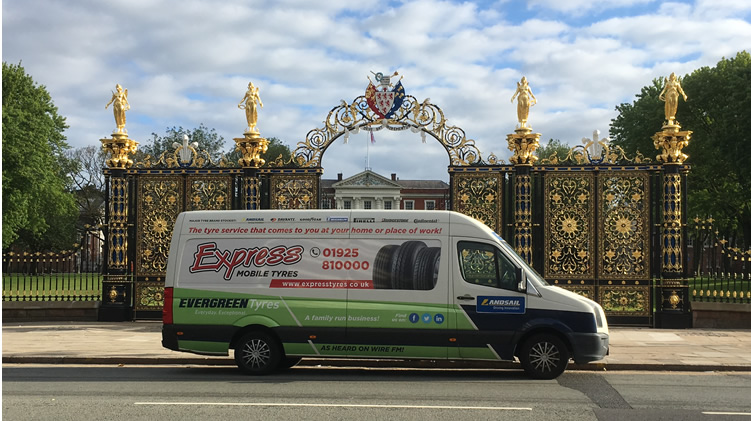
We are based in Warrington, Cheshire but cover a wide area including Warrington, Widnes, Runcorn and St Helens. please view map for areas covered.

Book Tyres Online
- Fitting at your home or place of work.
- Free Valve & Balance
- All Makes of Tyres & Batteries
- Cars, Vans & Caravans Tyres
- Performance & 4x4s Tyres

Tyre Law
To be in accordance with the law, tyres must have a minimum tread depth of 1.6mm in a continuous band around the centre three quarters of the tyre...
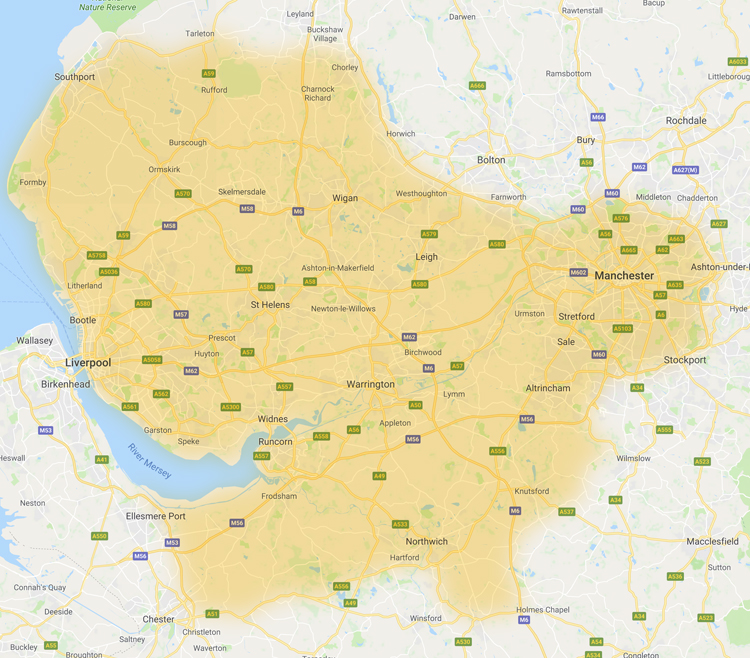
Areas Covered
We are based in Warrington, Cheshire but cover a wide area mobile tyre fitting including Knutsford, Warrington, Widnes, Runcorn, Liverpool Manchester and St Helens. please view map for areas covered.


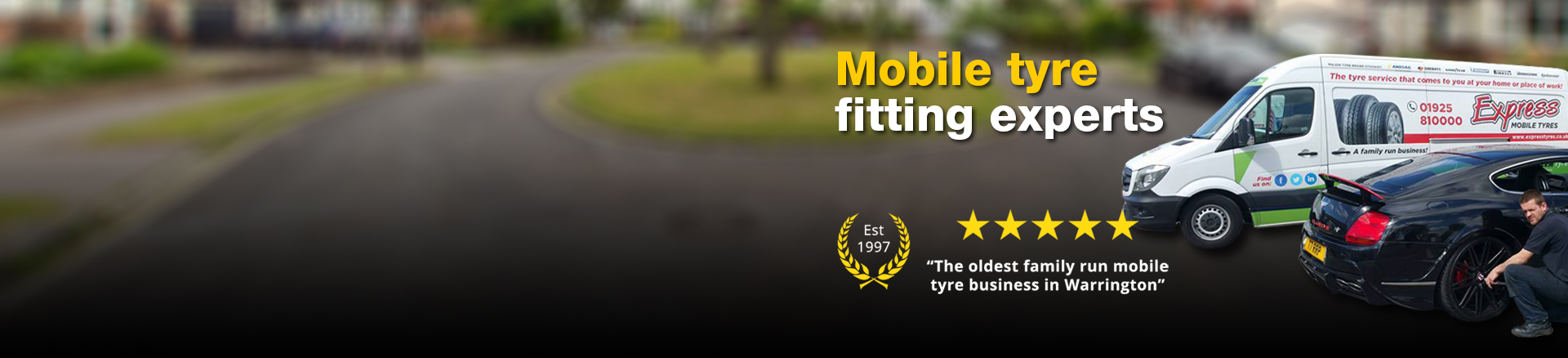
“The oldest family run mobile tyre business in Warrington”
We accept all major credit cards

Davanti Tyres
Designed in Europe, Davanti utilises enhanced silica compounds and innovative tread designs to deliver longevity, great handling and reliability across a tyre range which includes small cars, UHP, SUV, van, taxi and all-terrain.
Landsail Tyres
Innovation has always set Landsail apart. From its state-of-the-art manufacturing processes to its creative approach to achieving global performance standards, Landsail is a pioneer in developing solutions to provide a sustainable competitive advantage.
Evergreen Tyres
The Evergreen factory opened in 2009 making it one of the world’s most modern and technologically advanced tyre manufacturing plants. Evergreen technicians are amongst the most qualified and experienced of any tyre manufacturer and our leading-edge equipment means every Evergreen is built for reliability and performance.